Research · Northern Patagonia
Neuquén’s housing demand: what growth really tells property buyers
Construction and employment can indicate a changing urban market. Neither proves a specific property will deliver a profitable rental yield.
3 November 2026

Construction is a signal, not a return
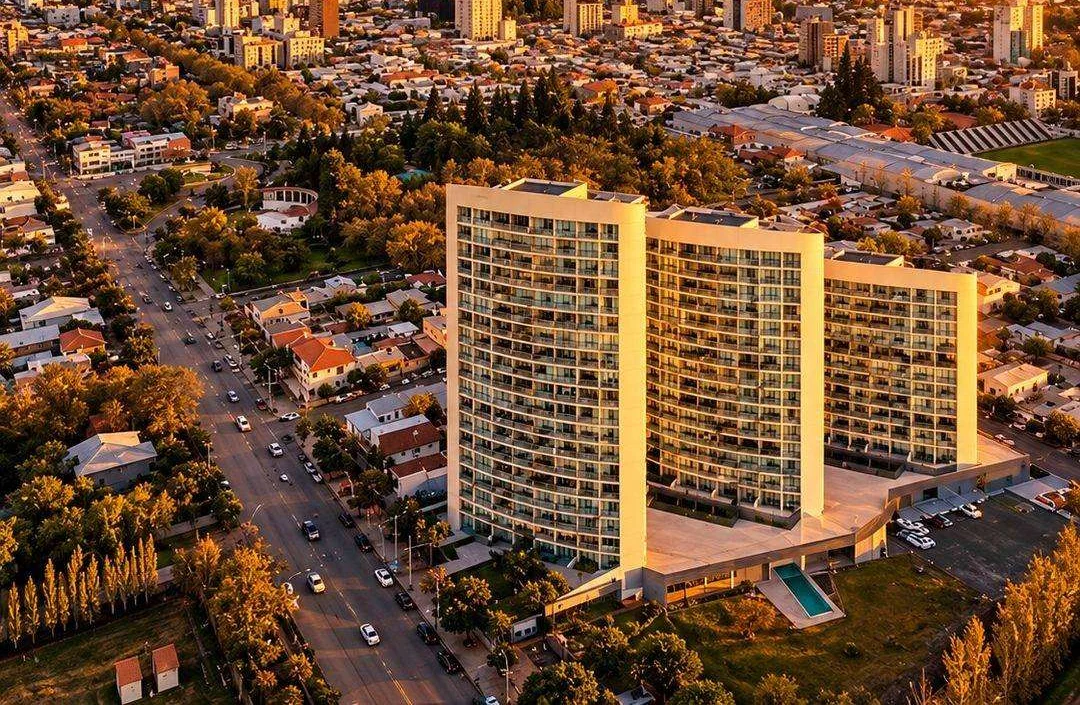
Neuquén Capital is recording an unusually visible period of building activity. Provincial reporting dated 29 October 2026 describes 100 buildings under construction, 40 urban projects in the administrative pipeline and more than 400,000 square metres projected for the year. These figures describe development scale, not units already sold, delivered or rented.
Employment matters — but its geography matters too
According to province-reported SIPA data, Neuquén Province added approximately 12,000 registered private-sector jobs between November 2023 and April 2026. This is a provincial figure, not a count of jobs created within Neuquén Capital. It helps explain the larger regional employment environment, but does not independently establish a rental shortage in any neighbourhood.
Where buyer research begins
Buyers should compare active supply, documented rental contracts, vacancy periods and building-by-building running costs. Asking-price listings include some apartments priced below US$80,000; those are advertisements, not verified transaction prices, and may involve units still under construction. Yield should be calculated from a realistic net rent after expenses, maintenance, taxes and vacancy, rather than inferred from economic headlines.
The infrastructure constraint
The same official briefing flags the pressure that growth places on drinking-water and sewage networks, including capacity restrictions at the Tronador treatment facility and planned upgrades. Delivery timing, utility connections, building permits and service capacity can be just as important as purchase price.
The High Valley approach
For each acquisition, we would examine legal title, the actual property and completion status, local services, comparable closed transactions where accessible, potential tenant demand and a conservative cost scenario. The goal is to determine suitability for a buyer's objective — income, occupation or diversification — without presenting regional growth as a guarantee.



Sources
Independent research for property buyers
Discuss your acquisition objectives